The Role of ESS in Modern Energy Infrastructure
The global transition toward renewable energy has fundamentally transformed how we perceive power generation and distribution. In this evolving landscape, Energy Storage Systems (ESS) have emerged as the linchpin of modern energy infrastructure. As intermittent energy sources like solar and wind become more prevalent, the traditional power grid faces unprecedented challenges in maintaining stability and reliability. Next Eco Wave (PVT) LTD is at the forefront of addressing these challenges through large-scale ESS integration, exemplified by its flagship project in partnership with the Sri Lanka Tourism Development Authority (SLTDA).
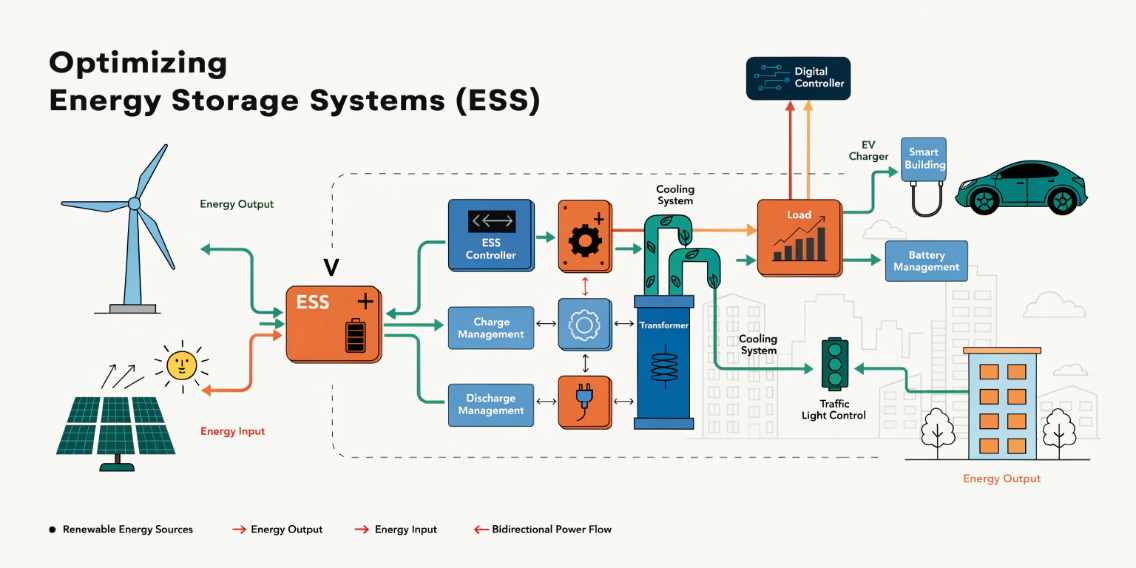
Figure 1: Large-scale ESS integration for grid stabilization.
Power Stabilization and Grid Reliability: One of the most critical roles of ESS in modern infrastructure is "power stabilization". Renewable energy generation is inherently variable; solar output peaks during the day but drops to zero at night. ESS acts as a massive buffer, storing surplus energy during periods of high generation and discharging it when demand exceeds supply. For the SLTDA Rooftop Solar Project, Next Eco Wave is implementing 150MWh of ESS capacity alongside 75MW of solar power. This scale of storage is essential for ensuring that SLTDA-registered establishments—including hotels, guest houses, and restaurants—receive a consistent and reliable power supply, regardless of external fluctuations.
Optimizing Renewable Energy Utilization: Without efficient storage, a significant portion of renewable energy can go to waste if it is generated during low-demand periods. ESS optimizes the utilization of every kilowatt-hour produced. By integrating ESS, Next Eco Wave enables a transition from simple energy generation to sophisticated energy management. This is supported by their internal specialized Design Department, which focuses on power plant engineering that maximizes efficiency through strategic ESS placement and sizing.
Advanced Design & Engineering
Optimizing an ESS begins with the design phase. A well-engineered system is tailored to the specific needs of the application, whether it’s a small-scale rooftop installation or a large-scale industrial project. Next Eco Wave’s specialized design department is tasked with creating power plant designs that incorporate these storage solutions effectively, considering energy load, peak demand, and solar integration.
Continuous Monitoring & O&M
Optimization is an ongoing process. Once an ESS is installed, it requires constant monitoring to ensure it is performing as expected and to identify any potential issues before they lead to system failure. Next Eco Wave’s organizational structure includes a dedicated division for monitoring the maintenance and remuneration of completed power plants through long-term Operations and Maintenance contracts.
Key Strategies for Optimization
- Capacity Planning: Determining the appropriate storage capacity (e.g., the 150MWh for the SLTDA project) to meet the target stabilization and backup needs.
- Thermal Management: Ensuring the system has adequate cooling and ventilation to prevent overheating, which can degrade battery life and impact safety.
- Integration with Power Electronics: Choosing the right inverters and power conversion systems to maximize energy conversion efficiency.
"For companies like Next Eco Wave, optimizing ESS is closely tied to broader sustainability goals and business innovation, reflecting a deep commitment to environmentally responsible energy solutions."
The Impact on Sustainability and Business
The Impact on Sustainability and Business The deployment of Energy Storage Systems is not merely a technical upgrade; it is a catalyst for sustainable development and a driver of new, high-value business models. For Next Eco Wave, the integration of ESS and solar technology creates a synergy that benefits both the environment and the bottom line. Driving Global Decarbonization The most immediate impact of ESS on sustainability is the reduction of greenhouse gas emissions. By enabling a higher percentage of renewable energy to be used in the power mix, ESS directly displaces fossil fuel generation. Next Eco Wave has demonstrated a long-term commitment to this goal through its participation in "greenhouse gas international reduction projects," such as its work with the Korea Export-Import Bank on landfill methane recovery in Vietnam. Their registration as a construction partner of Asia LOHAS (Lifestyles of Health and Sustainability) certification further underscores their dedication to environmentally responsible construction and energy practices. Innovative Financial and Business Models: STO and Beyond The reliability provided by ESS transforms solar power plants from volatile energy producers into stable, high-value financial assets. This stability is crucial for emerging business fields like STO (Security Token Offering). Next Eco Wave is exploring platforms where solar power plant assets can be tokenized using blockchain technology. In this model: Asset Value Assessment: The consistent performance guaranteed by ESS allows for more accurate assessment of a power plant's asset value based on its remaining operational life. Democratized Investment: Investors can trade securities in solar projects even with small amounts, creating a decentralized and accessible investment platform. Enhanced Trust: Issuing token securities through blockchain ensures transparency and security for all stakeholders. Supporting Local Economic Growth In regions like Sri Lanka, the impact of these projects extends to the local economy. The establishment of Next Eco Wave Private Limited in Colombo and the approval of loan facilities from local institutions like DFCC Bank demonstrate the business viability of these sustainable initiatives. By providing energy security to the tourism sector—a vital industry for the country—Next Eco Wave is supporting job creation and economic resilience. Global Market Expansion The success of these integrated solar and ESS models has allowed for rapid international expansion. Next Eco Wave and its parent company, Next Solar Energy Co., Ltd., have conducted surveys and feasibility studies for large-scale projects in Thailand (108MW), Taiwan (50MW), and Vietnam. This global footprint, supported by ISO 9001 certification and venture business status, proves that the combination of sustainability and high-tech energy storage is a winning strategy in the international marketplace. Through professional design, strategic partnerships, and a focus on both environmental and financial sustainability, Next Eco Wave is not just building power plants; it is constructing the foundation for a more resilient and equitable energy future.